Personally, I prefer to read something that fits my “mood.” Sometimes. I do read for escape, but often, I want to connect to what I’m reading in a relevant or personal way. With that in mind, the following books are not escapist. They explore various aspects of isolation, silence, and dread. Though there is one book I think hits a little too close to home…
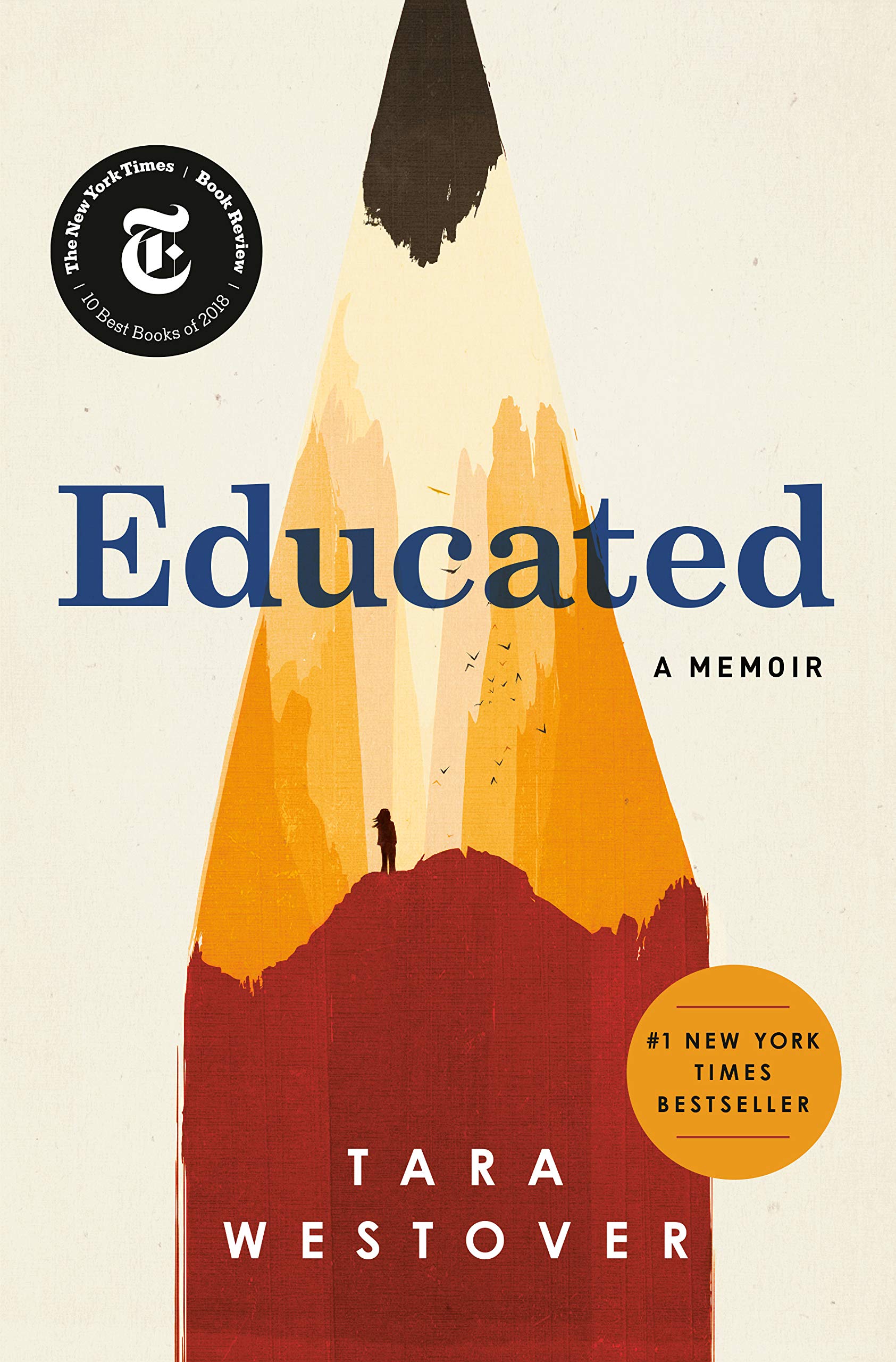
Educated by Tara Westover
Westover’s memoir of being raised without a proper education by doomsday preppers in a pseudo-cultish Mormon church may not be the first thing you think when looking for a good quarantine read, but speaking as someone who was also raised by preppers, no one better gets the dread of the end of the world than kids of preppers. We grow up thinking the end of the world is around the corner, and sometimes, there’s a sense of relief when disaster comes. You can finally stop being vigilant for it. At the same time, no disaster truly is the end of the world. You keep living. I recommend this book since the narrative is full of hope and overcoming, and we could all use someone to root for right now.

The Light Between Oceans by M. L. Stedman
In this historical novel, Tom Sherbourne keeps a lighthouse on an island alone until he meets and marries Isabel. The two try to conceive, but they suffer two miscarriages. One day, a baby washes on shore in a boat, like an answer to Isabel’s prayers. She convinces Tom not to alert the authorities, and they raise the child for a few years. Eventually, they have to face decisions about their daughter’s true parentage when they return to the mainland. While I’m stuck at home for fourteen days, I still have access to a slew of apps to reconnect with the world and loved ones. I even had a friend drop of groceries for us yesterday. Stedman’s novel give us a look at true isolation, cut off from the world and support, and what we may be willing to do in our grief.

Silence by Shusaku Endo
I would recommend this book out of the current climate as well. Endo’s historically accurate depiction of Jesuit priests in Japan during a time of great persecution to Christians addresses questions of theodicy (a theology about or defense of God in the face of suffering/evil) and faithfulness. Right now is a true test of faith for many. It’s easy to trust God and believe in His love when all is well, but right now, jobs are in question, food is in question, and even lives. We have to wrestle with all of this, and I think Endo sets the way for us.

The Chosen by Chaim Potok
I’ve reread this classic so many times, and it always strikes me anew. Silence and isolation are major themes, and the use of both in building empathy. My idea of friendship has been largely shaped by the main characters Reuven and Daniel and the intentionality in which they pursue each other. They’re from different Jewish sects, and they have to navigate various tensions placed on them both. It’s heart-warming, humanizing, and oddly riveting.
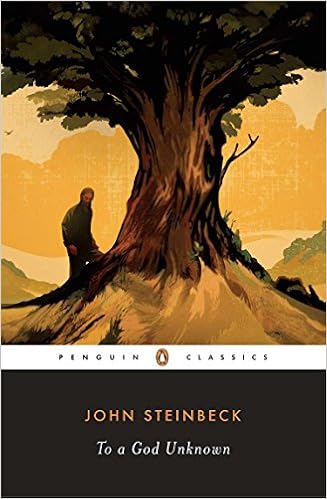
To a God Unknown by John Steinbeck
I love Steinbeck as much as a Mumford, so I’m also recommending this shorter one as a gateway to some of his longer novels. The need for community and a connection to the land, common themes for this author, drive this story. Joseph Wayne travels to California to start a homestead and invite the rest of his brothers out. On his journey to the West, he hears about the “dry years” that can plague farmers out there, but he doesn’t believe those years will return. Once there, he finds a rock on his land that he believes is the sacred source of life in that region. As he invites his family and marries a local teacher, he struggles to maintain the source of life. Again, there’s a dread in this book that resonates but also a tenacity of life.
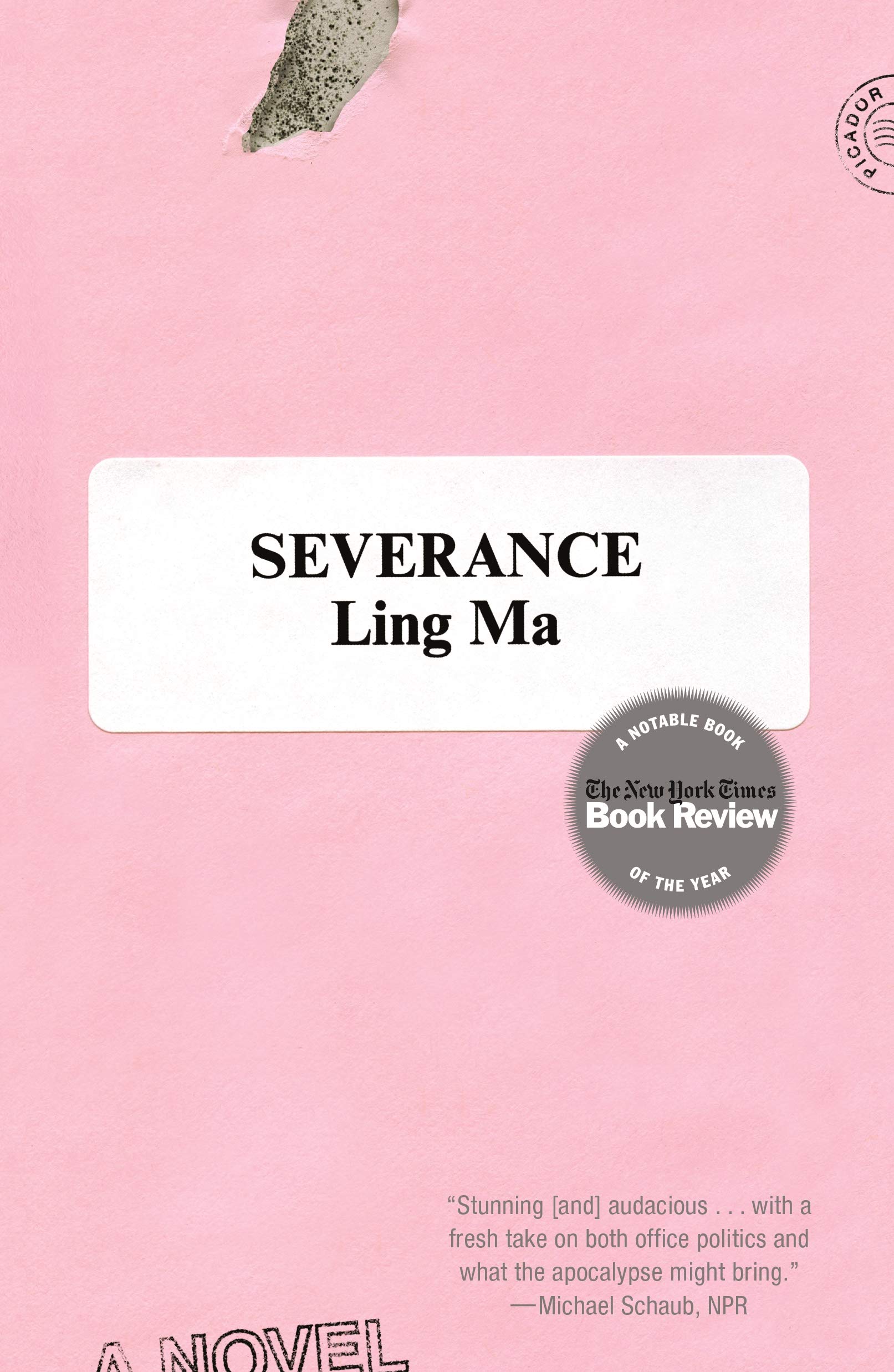
Severance by Ling Ma
When Googling this book just now to grab an image of the cover, I found multiple articles suggesting this book for quarantine read lists and quite a few hailing it as prophetic. As an example, the headline for an article in Vulture is, “Severance Predicted the Slow-Burn Pandemic of Our Pandemic.” Others agree. In Ma’s novel, a flu begins in a Chinese factory and slowly spreads throughout the world. Candace Chen works for a company that employs the factory to print Bibles, so she is alerted first to the growing problem. Slowly, things shut down as the flu turns those infected into psuedo-zombies who are cognitively impaired and mindlessly perform patterns on repeat. Since COVID-19 first came to Kentucky, scenes of Candace Chen in an empty New York City began playing on repeat (much like Frozen 2 in most homes right now). Though the zombies are never hostile or malicious, the “slow-burn” of a capitalist society collapsing and everyone becoming isolated truly filled me with horror. I finished that book disturbed. I cannot imagine why anyone would put it on a quarantine read list now. It’s relevant, yes, but too relevant. I may like books that express my current mood, but this one would exacerbate anxiety and fear to an unhelpful degree. I recommend waiting to read this book until our current pandemic has passed (but then I totally recommend giving it a read!).


 Logan & Tori Read